
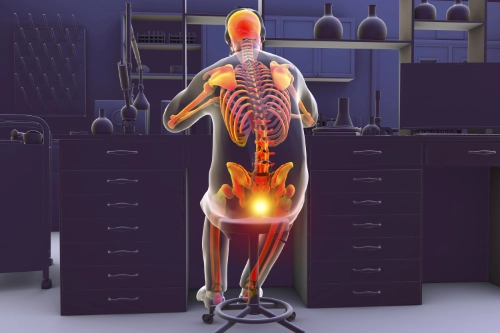
 If sitting down has become something you dread, you’re not alone. Tailbone pain, known clinically as coccydynia, can turn everyday moments like driving to work, sitting through a meeting, or settling onto the couch into an uncomfortable ordeal. Many people assume they just have to wait it out or rely on a donut cushion forever. The good news is that chiropractic care offers a gentle, drug-free approach that addresses the mechanical problems behind tailbone pain rather than simply masking the discomfort.
In this article, we’ll walk through what coccydynia is, what causes it, the symptoms to watch for, and how a chiropractor can help you sit, stand, and move comfortably again.
What Is Tailbone Pain (Coccydynia)?
Your tailbone, or coccyx, is the small, triangular bone at the very bottom of your spine. It’s made up of three to five tiny vertebrae fused together, and it connects to the sacrum through the sacrococcygeal joint. Even though it’s small, the coccyx does important work. It serves as an anchor point for muscles, tendons, and ligaments of the pelvic floor and buttocks, and it acts as one leg of a tripod that supports your weight when you sit.
Coccydynia is the term for pain in or around the tailbone. It usually happens when the coccyx or the sacrococcygeal joint moves too much (hypermobility), too little (hypomobility), or gets knocked out of its normal position. When that happens, the surrounding ligaments and soft tissues become irritated and inflamed, and every time you sit, that irritated area takes on pressure.
Because the coccyx is the final segment of the spinal column, tailbone pain is really a spinal problem. It’s closely tied to how your sacrum, pelvis, and lower back move together, which is exactly why a spine-focused approach can make such a difference.
What Causes Tailbone Pain?
Tailbone pain can develop suddenly after an injury or build gradually over time. Some of the most common causes include:
Falls and Direct Trauma
Slipping on ice, missing a step, or landing hard on your backside is one of the most common ways people injure the coccyx. A fall can bruise the bone, sprain the sacrococcygeal ligaments, or shift the tailbone out of its normal alignment.
Childbirth
During vaginal delivery, the baby passes directly over the coccyx, which flexes backward to make room. Sometimes the tailbone is pushed too far or the supporting ligaments are strained, leading to pain that can linger well after delivery. This is one reason women experience coccydynia significantly more often than men.
Prolonged Sitting
Sitting for long stretches, especially on hard surfaces or with slumped posture, puts repeated pressure on the tailbone. Office workers, truck drivers, students, and gamers are all at higher risk. Slouching rolls the pelvis backward and shifts more of your body weight directly onto the coccyx instead of the sitting bones.
Repetitive Strain
Activities that involve leaning forward and rocking on the tailbone, such as cycling and rowing, can irritate the area over time through repetitive friction and pressure.
Pelvic and Lower Back Dysfunction
Problems higher up the chain can contribute to tailbone pain too. Sacroiliac joint dysfunction, lumbar spine restrictions, and tight muscles of the pelvic floor and buttocks can alter how forces travel through the base of the spine and place extra stress on the coccyx.
Other Contributing Factors
Body weight plays a role on both ends of the spectrum. Carrying extra weight increases pressure on the tailbone, while rapid weight loss reduces the natural cushioning around it. Age-related degeneration of the sacrococcygeal joint can also contribute. In rare cases, tailbone pain may stem from an infection, cyst, or tumor, which is why a thorough examination matters.
Common Symptoms of Coccydynia
Tailbone pain has a fairly distinctive pattern. You may be dealing with coccydynia if you notice:
- A dull, aching, or sharp pain right at the bottom of the spine, just above the buttocks
- Pain that gets noticeably worse when you sit, especially leaning back
- Sharp pain when moving from sitting to standing
- Tenderness when pressing on the tailbone area
- Discomfort during bowel movements
- Pain during intercourse
- Relief when leaning forward or shifting weight onto one hip
Many people with coccydynia find themselves constantly fidgeting or perching on one side of the chair to avoid pressure. Over time, that compensation can lead to hip, lower back, and sacroiliac discomfort as well.
When to See a Doctor Right Away
Most tailbone pain is mechanical and responds well to conservative care. However, you should seek prompt medical attention if your tailbone pain comes with fever, unexplained weight loss, numbness in the groin or inner thighs, loss of bladder or bowel control, or a visible lump or draining area near the tailbone. These signs can point to conditions that need a different kind of care.
How Chiropractic Care Helps Tailbone Pain
A chiropractor looks at tailbone pain as part of the bigger picture of how your spine and pelvis function together. Rather than focusing only on the sore spot, chiropractic treatment aims to restore normal motion at the base of the spine, reduce strain on irritated tissues, and correct the habits that keep the problem coming back.
Thorough Evaluation
Your visit begins with a detailed history and examination. Your chiropractor will ask how the pain started, what makes it better or worse, and how it affects your daily life. The exam typically includes assessing the lumbar spine, sacrum, sacroiliac joints, hips, and the muscles surrounding the pelvis. In some cases, sitting and standing X-rays are helpful because they show how the coccyx moves when weight is placed on it, which can reveal whether it’s moving too much or too little.
Gentle Adjustments and Mobilization
Chiropractors use gentle, external techniques to restore proper motion at the sacrococcygeal joint and the surrounding segments. Adjustments to the sacrum, sacroiliac joints, and lumbar spine help balance the pelvis so that forces travel through the base of the spine more evenly. Low-force instrument-assisted techniques and drop-table methods are often used because they allow precise correction without aggressive movement in an already sensitive area.
Soft Tissue Therapy
The muscles that attach near the tailbone, including the gluteus maximus, piriformis, and the external portions of the pelvic floor, can become tight and guarded after an injury. That tension pulls on the coccyx and keeps it irritated. Myofascial release, trigger point therapy, and instrument-assisted soft tissue mobilization (IASTM) help relax these muscles and improve circulation to the area.
Posture and Sitting Ergonomics
How you sit matters enormously with coccydynia. Your chiropractor can teach you to sit with a slight forward tilt so your weight rests on your sitting bones rather than your tailbone. A wedge cushion with a cutout at the back often works better than a traditional donut cushion, which can still place pressure on the coccyx. Ergonomic adjustments to your workstation and car seat can also reduce daily strain.
Therapeutic Exercises and Stretches
Targeted stretches for the hip flexors, glutes, and piriformis, along with core and pelvic stability exercises, help support the lower spine and pelvis. Strengthening the deep core muscles improves pelvic control so the tailbone isn’t absorbing as much stress during sitting and movement.
Lifestyle Guidance
Simple changes such as standing up every 30 to 45 minutes, avoiding hard seats, and alternating ice and heat can support your progress between visits. Your chiropractor will tailor these recommendations to your work, activity level, and goals.
Chiropractic Care Compared to Injections and Surgery
When tailbone pain lingers, patients are often offered anti-inflammatory medications, steroid injections, or nerve blocks. Medications can dull the pain temporarily but don’t address why the tailbone became irritated in the first place, and long-term use of NSAIDs carries risks for the stomach, kidneys, and heart.
Steroid injections and ganglion impar nerve blocks can provide short-term relief for some people, but the effects often wear off, and repeated steroid injections can weaken surrounding tissues over time. Neither option corrects faulty motion at the sacrococcygeal joint or the posture and pelvic imbalances that keep loading the area.
In the small number of cases that don’t respond to any conservative care, surgery to remove the coccyx (coccygectomy) may be considered. While it helps some patients, it comes with a lengthy recovery period and a notable risk of wound infection because of the location of the incision. For these reasons, most clinical guidelines recommend exhausting conservative options first.
Chiropractic care fits squarely into that conservative, first-line approach. It’s non-invasive, drug-free, and focused on restoring normal function, which makes it a smart place to start for most people with tailbone pain.
What to Expect During Recovery
Every case is different, but many patients notice improvement within the first few weeks of chiropractic care. Acute tailbone pain from a recent fall often settles more quickly, while chronic coccydynia that has been present for months may take longer to resolve because the surrounding muscles and movement patterns have had time to adapt.
Early in care, visits typically focus on calming inflammation, restoring motion, and relieving muscle tension. As your pain decreases, the emphasis shifts toward strengthening, posture habits, and preventing flare-ups. Your chiropractor will track your progress and adjust your care plan as you improve.
Consistency makes a real difference. Following through with your home exercises and sitting modifications between visits helps your body hold onto the progress you make in the office.
Get Back to Sitting Comfortably
Tailbone pain can quietly take over your day, from your commute to your dinner table to your favorite chair. You don’t have to keep shifting, perching, and bracing every time you sit down. Our team takes the time to find out what’s driving your coccydynia and builds a gentle, personalized plan to help you move and sit comfortably again. Call our office today to schedule your evaluation and take the first step toward lasting relief.
Frequently Asked Questions About Tailbone Pain and Chiropractic Care
Can a chiropractor help with tailbone pain?
Yes. A chiropractor can help with tailbone pain by restoring proper motion to the sacrum, pelvis, and sacrococcygeal joint, relaxing tight muscles that pull on the coccyx, and correcting sitting posture. These gentle, non-invasive techniques address the mechanical causes of coccydynia rather than only masking the pain.
How long does tailbone pain take to heal?
Mild tailbone pain from a minor bump often improves within a few weeks. Pain from a more significant fall, childbirth, or long-term sitting habits can last several months without treatment. Conservative care such as chiropractic adjustments, soft tissue work, and posture correction can help many people recover more efficiently.
Why does my tailbone hurt when I sit?
Your tailbone hurts when you sit because sitting places direct pressure on the coccyx, especially when you lean back or slouch. If the sacrococcygeal joint or surrounding ligaments are irritated, that pressure triggers pain. Sitting with a slight forward lean shifts weight onto your sitting bones and can reduce discomfort.
Is a donut cushion good for tailbone pain?
A donut cushion is not always the best choice for tailbone pain because it can still place pressure on the coccyx. A wedge cushion with a U-shaped cutout at the back is usually more effective, since it removes pressure from the tailbone while supporting the thighs and sitting bones.
Can tailbone pain come from the lower back?
Yes. Tailbone pain can be influenced by problems in the lower back and pelvis, including sacroiliac joint dysfunction, lumbar spine restrictions, and tight hip and pelvic floor muscles. Because the coccyx is the final segment of the spine, how the rest of the spine and pelvis move directly affects the stress placed on the tailbone.
What exercises help tailbone pain?
Gentle stretches for the piriformis, glutes, and hip flexors, along with core stabilization exercises, can help relieve tailbone pain. These exercises reduce muscle tension pulling on the coccyx and improve pelvic support. A chiropractor can recommend specific exercises based on what’s driving your pain.
When should I worry about tailbone pain?
You should seek prompt medical care if tailbone pain comes with fever, unexplained weight loss, numbness in the groin or inner thighs, changes in bladder or bowel control, or a lump or draining area near the tailbone. These symptoms can signal infection, a cyst, or another condition that requires a different type of treatment.
